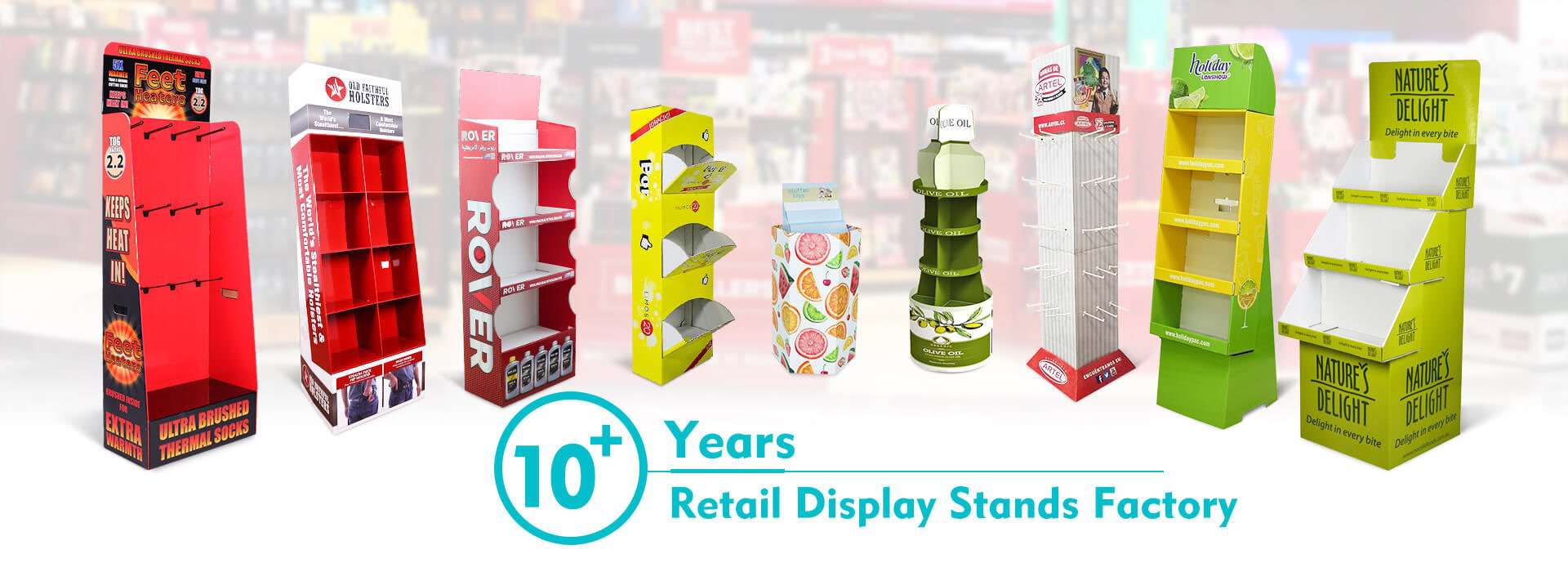
In today's retail environment, businesses are increasingly seeking innovative ways to engage customers and still prioritizing sustainability. One effective solution that has become popular is the use of corrugated cardboard display s. These sustainable marketing displays not only attract attention but also resonate with a growing consumer preference for eco-friendly habits. As companies strive to reduce their carbon footprint, selecting materials that are recyclable and compostable becomes essential in their marketing strategies.
Cardboard displays made from corrugated material offer a unique blend of practicality and aesthetics that helps brands stand out in crowded marketplaces. Their flexibility allows for artistic showcases, capturing the essence of a product in an attention-grabbing way. Moreover, as consumers become more aware of their purchasing impact, incorporating sustainable materials into merchandising can strengthen a brand's commitment to environmental responsibility, which helps cultivate customer loyalty and trust.
Benefits of Cardboard Displays
Cardboard showcases provide a portable and versatile solution for companies looking to enhance their marketing initiatives. They can be quickly customized in terms of size, form, and design, allowing organizations to create displays that capture customer focus efficiently. The adaptability of corrugated displays also means that these structures can be used for a variety of goods, making them ideal for different retail environments and promotional campaigns.
In addition to their versatility, cardboard showcases are environmentally friendly, aligning with the growing trend of eco-conscious consumerism. Made from renewable materials, these displays are often recyclable, minimizing their impact on the environment. By selecting corrugated, companies can showcase their commitment to eco-consciousness, appealing to consumers who consider eco-friendly practices in their purchasing decisions.
Economic viability is another important advantage of corrugated structures. They are generally more affordable to produce compared to other options, making them an attractive option for businesses with limited budgets. The cost-effectiveness of these structures allows organizations to experiment with different marketing strategies without exceeding budgets, while still maintaining an notable presence in retail spaces.
Effects on the Environment of Corrugated Cardboard
The environmental impact of cardboard displays is largely positive, particularly when compared to traditional materials like plastics. Cardboard is made from renewable resources, primarily wood pulp, and its production process can be optimized to minimize energy consumption and waste. When sourced sustainably, the use of responsibly managed forests ensures that these displays can be a part of a circular economy where materials are reused and processed, reducing the need for virgin resources.
Another significant factor is the ability to recycle of cardboard. After its purpose has been served, corrugated cardboard can be easily converted into new products. This not only reduces the amount of waste sent to landfills but also reduces the carbon footprint related to producing new materials. Many localities have established recycling programs that support the smooth recycling of cardboard, further enhancing its eco-friendly profile.
Moreover, the lifecycle of these displays contributes favorably to sustainability efforts. They are lightweight and can be transported efficiently, lessening fuel consumption during shipping. Furthermore, the biodegradable nature of cardboard means that, when properly disposed of, it won't linger in the environment for long periods like plastic materials, making it an ideal choice for brands looking to enhance their sustainability profile while also effectively promoting their products.
Designing Aspects for Sustainable Displays
When designing corrugated fixtures, it is crucial to prioritize the framework and strength of the elements used. Since this material is light yet robust, designers can craft attractive displays that support products securely while being simple to handle and set up. Incorporating modular features and minimal adhesive can enhance the longevity of the display, ensuring it remains undamaged throughout its use, which ultimately reduces waste.
Visual elements play a significant role in attracting consumers and conveying the brand message. Using green inks and coatings allows for lively graphics while reducing environmental impact. Designers should think about the overall palette and visual structure, ensuring that the display is not only attractive but also reflects sustainability. Innovative design can reflect a brand’s promise to the environment, turning the display into a communicative medium about the product and its environmental benefits.
Lastly, the life cycle of the display should be at the focus of the design process. This includes thoughts for how the display can be reused, recycled, or biodegraded after its intended purpose. The design should allow for easy deconstruction, promoting more sustainable disposal approaches. By adopting a comprehensive view about the entire lifespan, brands can better align their marketing approaches with eco-friendly values, providing consumers with a positive experience and strengthening their dedication to sustainability.